Case STudy
Transportation
& Logistics
Contactless Digital Biometric Systems
Creating New customers Experiences
to Simplyfy Operational Overheads
Client Overview
Large Shipping Corporation faced significant operational challenges due to heavy load on existing applications during cruise check-ins, causing data sync failures, long passenger wait times at port terminals, and reduced customer satisfaction. Additionally, upcoming digital projects were creating capacity issues on the on-premise infrastructure. To address this, a tactical approach was implemented by reviewing capacity issues using APM tools and creating a greenfield cloud migration roadmap. In the long term, a cloud-first strategy was adopted to integrate a facial recognition-based check-in solution using kiosk hardware, streamlining the check-in process to drive higher customer satisfaction.
Business Challenges
Pre pandemic
High Wait Times and Delays at Check-In Terminals
Due to heavy load on the existing applications and middleware failures during cruise check-ins, passengers faced long queues, leading to delays and dissatisfaction with the boarding experience.
Data Sync Failures Between Ship and Shore Systems
Frequent data sync issues between ship and shore systems caused service delays and errors, directly impacting the quality of guest experiences both during check-in and onboard.
Manual and Inefficient Guest Tracking Processes
The reliance on manual processes for guest tracking during check-ins slowed down operations and increased the chances of errors, reducing the overall efficiency of the port terminals.
imited Scalability of On-Premise Infrastructure
The existing on-premise infrastructure could not handle increasing traffic or support upcoming digital initiatives, creating bottlenecks and limiting the company’s ability to innovate and deploy new services.
Post pandemic
Higher Expectations for Seamless and Contactless Check-In
Post-pandemic brought about a surge of renewed business travel and passengers demanded faster, contactless, and hassle-free check-in processes to ensure safety and convenience, putting pressure on Royal Caribbean to modernize its systems.
Need for Scalable Cloud Solutions to Support Increased Digital Demand:
As more customers shifted towards digital interactions, the need for a cloud-first infrastructure became essential to ensure scalability and performance during peak operations.
Health and Safety Compliance Requirements:
With new health and safety protocols in place post-pandemic, Royal Caribbean needed to implement solutions like facial recognition check-ins to reduce physical touchpoints and enhance guest safety.
Increased Competition in the Cruise Industry:
The cruise industry faced intense competition post-pandemic as companies raced to win back customers by offering superior digital experiences and faster boarding processes, making innovation a necessity.
Approach
New Capabilities Introduced
Facial Recognition-Based Check-In System
The integration of Tascent Insight Face enabled a fast, secure, and contactless check-in process, reducing boarding times and enhancing passenger convenience.
Cloud-Native Infrastructure for Scalability
The migration to a cloud-first infrastructure allowed Royal Caribbean to handle higher traffic volumes, eliminate middleware capacity issues, and support future digital initiatives with greater agility.
Automated Guest Tracking and Service Availability
Integration of kiosk hardware with various guest tracking systems enabled automated updates and enhanced service availability, ensuring that passengers could access onboard services quickly after check-in.
Real-Time Data Sync Between Ship and Shore Systems
By leveraging cloud-based solutions, the company achieved reliable, real-time synchronization of guest data between port terminals and onboard systems, ensuring a seamless experience for passengers.
New Innovation Introduced
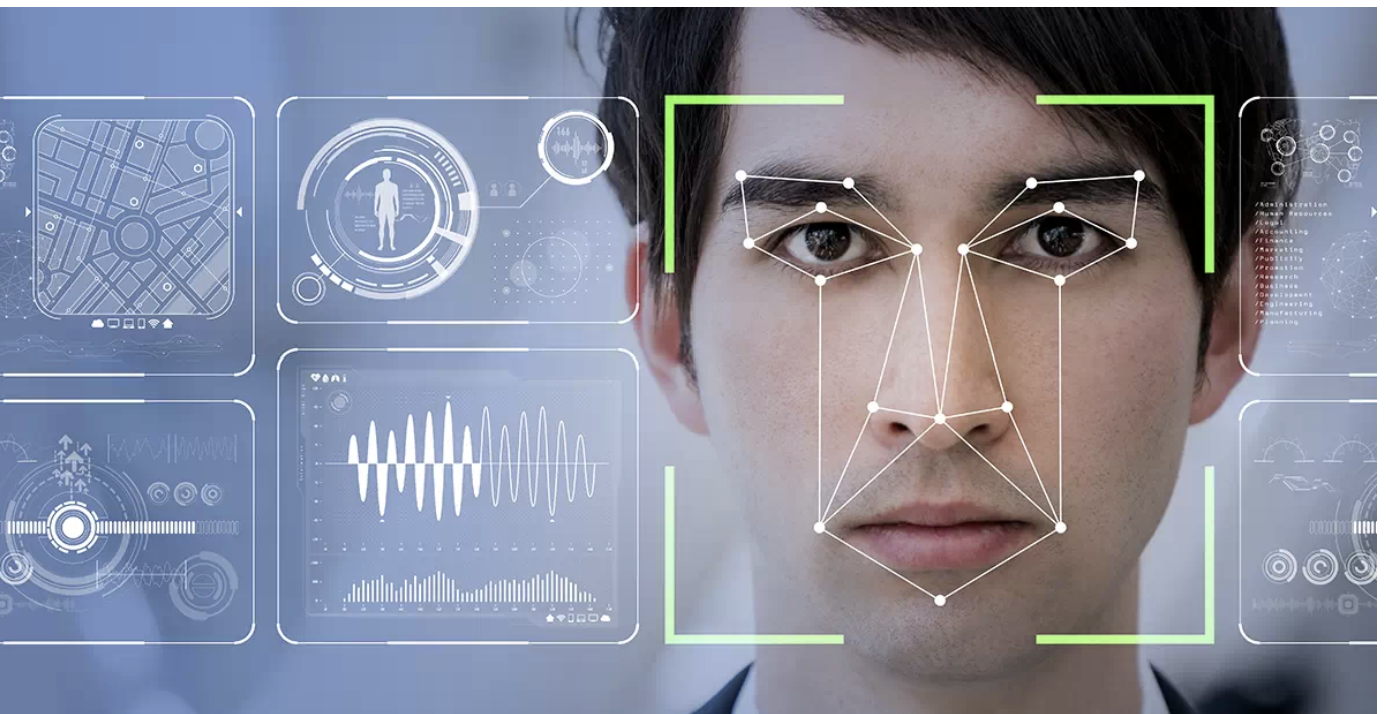
Advanced AI Based Services Monitoring for Capacity Planning
AI Based Facial Recognition and Service Performance monitoring tools were used to review capacity issues and proactively prevent failures, ensuring smoother operations during peak periods.
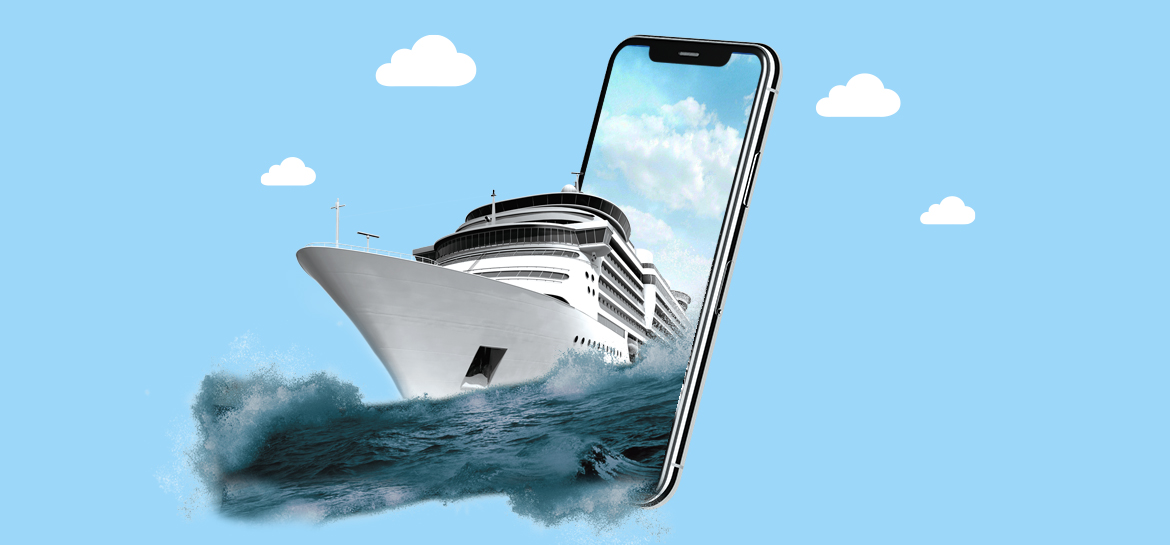
Seamless Shore to Cloud Migration Roadmap
A well-defined greenfield migration strategy was developed to move away from legacy on-premise systems and create a robust, scalable digital ecosystem.
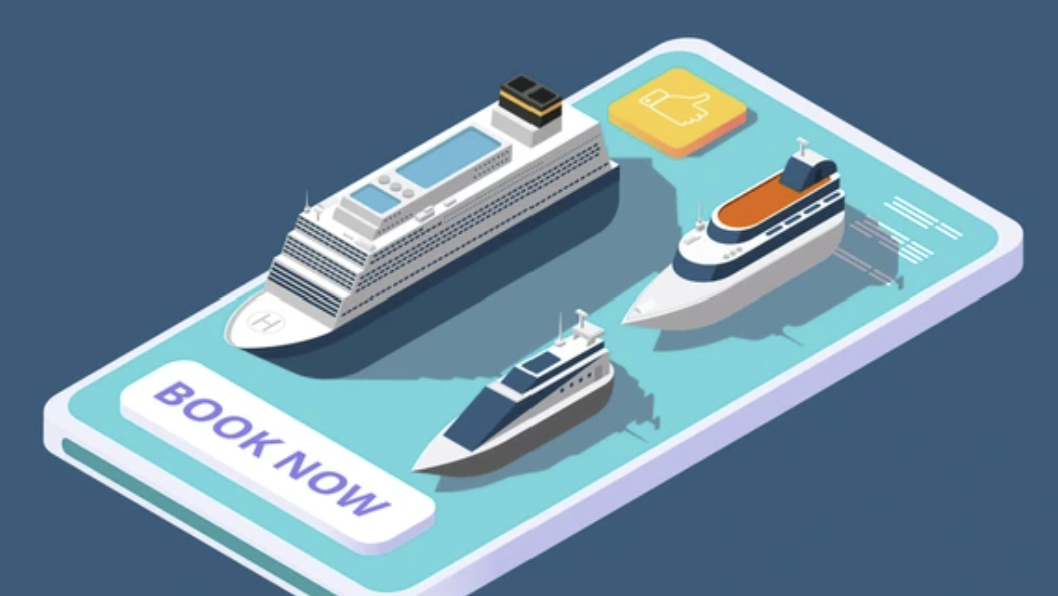
Enhanced Multi-Channel Digital Engagement
The transformation allowed Royal Caribbean to offer a consistent, high-quality digital experience across different channels, including mobile apps and on-site kiosks, improving customer engagement and satisfaction.
Results Delivered
Reduced Check-In Time by 50%
With the implementation of Tascent Insight Face and kiosk hardware integrated into the cloud-based guest tracking system, the check-in process time was significantly reduced. Customers with existing guest accounts and smartphones were able to check in under 10 minutes 50% faster than the original target with the New Artificial Intelligence based Facial Recognition Technology
30% Improvement in Cust Satisfaction Scores
By drastically lowering wait times and enhancing the overall check-in experience, the shipping company achieved a 30% improvement in CSAT scores, boosting customer satisfaction and brand perception.
Increased Capacity for Digital Project Releases
Through the adoption of a cloud-first approach and the creation of a greenfield migration roadmap, the cruise liner resolved middleware capacity issues and improved infrastructure scalability. This enabled the company to support future digital projects without performance bottlenecks, ensuring faster and more reliable service delivery.